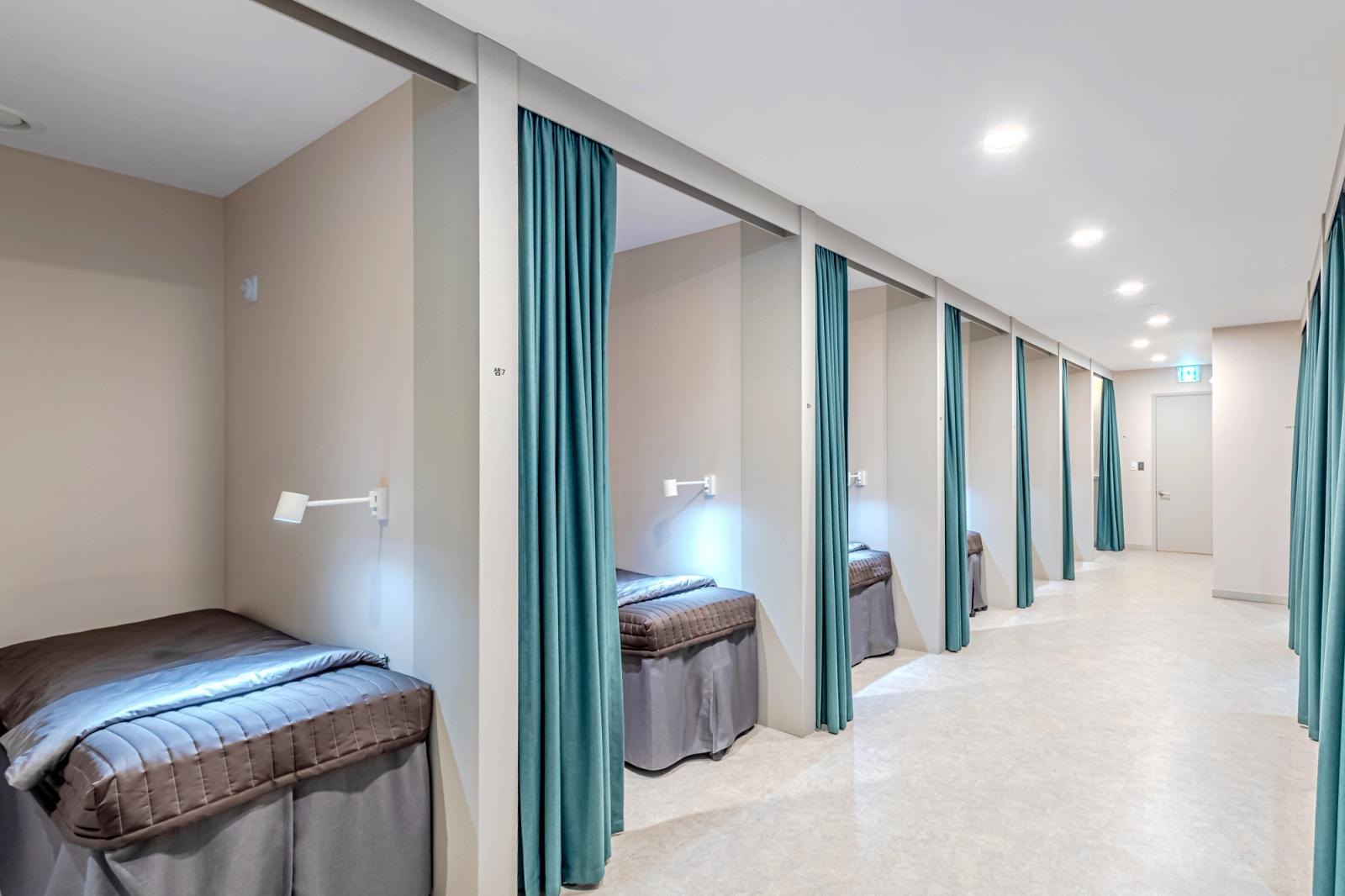
Cheongdam Derm Clinic


Cheongdam-dong, part of Seoul’s prestigious Gangnam district, has emerged as South Korea’s epicenter for advanced dermatology and aesthetic medicine. Among the dozens of clinics concentrated in this medical tourism hub, Cheongdam dermatology clinics represent the pinnacle of Korean skincare innovation, combining cutting-edge technology with traditional Korean beauty philosophies. For international patients from the US, UK, Australia, and Singapore, these clinics offer access to treatments and protocols often unavailable or cost-prohibitive in their home countries.

The Cheongdam area specifically attracts medical tourists seeking board-certified dermatologists who regularly publish in international journals and maintain affiliations with organizations like the Korean Association of Medical Specialties (KAMS). This concentration of expertise, combined with Seoul’s status as a global beauty innovation center, makes Cheongdam dermatology clinics a strategic destination for those seeking transformative skincare results.

Why Cheongdam-dong for Dermatology

Cheongdam-dong’s reputation as Seoul’s premier medical aesthetic district stems from several concrete factors. The neighborhood houses over 500 aesthetic medical facilities within a two-kilometer radius, creating an unprecedented concentration of dermatological expertise. This density fosters competition that drives innovation while keeping prices 40-60% lower than comparable treatments in Western markets.

The area’s dermatology clinics typically feature specialists who have completed fellowships at institutions like Seoul National University Hospital or Samsung Medical Center, with additional training in the United States or Europe. Ministry of Health and Welfare (MOHW) regulations require these practitioners to maintain strict continuing education requirements, ensuring they remain current with emerging technologies like fractional picosecond lasers and next-generation skin boosters.

Geographic proximity to manufacturing hubs gives Cheongdam clinics early access to devices and formulations before global release. Many Korean aesthetic device manufacturers beta-test equipment exclusively in select Cheongdam facilities, meaning patients can access technologies 12-18 months before FDA or CE approval in Western markets. This includes advanced platforms for laser skin resurfacing, radiofrequency microneedling, and combination therapy protocols.

The medical tourism infrastructure in Cheongdam specifically supports international patients with multilingual staff, streamlined consultation processes, and coordination with nearby accommodations in Apgujeong and Sinsa-dong. Most established clinics employ coordinators fluent in English, Mandarin, and Japanese who handle everything from airport pickup to post-treatment follow-up via telemedicine .

Core Dermatological Services at Cheongdam Clinics

Cheongdam dermatology clinics organize services into distinct treatment categories, each supported by specialized equipment and trained practitioners.

Laser and Light-Based Treatments

Korean dermatologists pioneered low-downtime laser protocols now adopted globally. Cheongdam clinics utilize multiple laser platforms in single sessions—a practice called “laser toning cocktail”—to address hyperpigmentation, texture irregularities, and vascular concerns simultaneously. Common combinations include 1064nm Nd:YAG for melasma, 755nm alexandrite for superficial pigmentation, and fractional CO2 for resurfacing.

PubMed literature supports the efficacy of these combination approaches: a 2021 study in the Journal of Cosmetic Dermatology demonstrated that sequential dual-wavelength treatment improved melasma severity by 68% compared to 42% with single-wavelength protocols. Cheongdam protocols typically involve 4-6 sessions spaced two weeks apart, with minimal downtime that accommodates medical tourists’ limited Seoul stays.

Popular laser services include picosecond laser tattoo removal and pigmentation treatment, fractional laser resurfacing for acne scarring, vascular laser for rosacea and broken capillaries, and Q-switched lasers for age spots and sun damage. Treatment costs range from $150-600 per session depending on area coverage and technology employed.

Injectable Treatments and Volumization

Korean dermatologists approach facial injectables with aesthetic principles distinct from Western techniques. The focus centers on subtle volumization and “glass skin” luminosity rather than dramatic structural changes. Cheongdam practitioners typically use Korean-manufactured fillers like Neuramis, Rejeunesse, and Cleviel alongside Western brands, often at price points 50% lower than US or UK markets.

Injection techniques emphasize microdroplet delivery in superficial dermal layers—a method called “skin boosting”—using hyaluronic acid formulations mixed with peptides, amino acids, and antioxidants. This differs from Western approaches that prioritize deep structural support. Sessions last 15-30 minutes with immediate return to activities, making them ideal for tourists on tight schedules.

Botulinum toxin applications extend beyond wrinkle reduction to include jawline slimming (masseter reduction), calf reduction, and hyperhidrosis treatment. Korean protocols use lower unit concentrations distributed across more injection points, creating natural-appearing results that avoid the “frozen” appearance sometimes associated with Western injection patterns .

Acne and Scarring Management

Korean dermatology’s systematic approach to acne treatment combines prescription therapeutics with procedural interventions. Cheongdam clinics offer comprehensive acne programs including isotretinoin management, chemical peel series, photodynamic therapy, and extraction facials performed by licensed aestheticians under dermatologist supervision.

Acne scar revision utilizes subcision techniques, fractional radiofrequency microneedling (devices like Sylfirm X and Potenza), and cross-trichloroacetic acid application for ice-pick scarring. A 2020 study in Dermatologic Surgery found that combining microneedling with platelet-rich plasma improved atrophic acne scarring by 62% after four treatments. Cheongdam protocols typically recommend 3-5 sessions with 4-6 week intervals.

The Korean emphasis on prevention means clinics also address post-inflammatory hyperpigmentation aggressively through combination approaches: tranexamic acid oral and topical formulations, glutathione injections, and targeted laser toning. This comprehensive methodology yields faster clearance than single-modality approaches common elsewhere.

Skin Rejuvenation and Anti-Aging Protocols

Cheongdam clinics specialize in “maintenance” protocols designed for regular intervals rather than one-time interventions. Popular treatments include Ultherapy and Thermage for non-surgical skin tightening, thread lifting using PDO or PLLA threads, platelet-rich plasma (PRP) facial rejuvenation, and exosome therapy for cellular regeneration.

Many clinics offer proprietary “programs” combining multiple modalities: a typical anti-aging protocol might include initial Ultherapy for deep tissue tightening, followed by fractional laser resurfacing, then maintenance laser toning sessions monthly. Package pricing for these comprehensive approaches typically costs $2,000-4,000, representing significant savings compared to Western markets where individual treatments alone would exceed this total.

Exosome therapy represents an emerging category where Korean clinics lead globally. Derived from stem cell cultures, exosome formulations are applied via microneedling or direct injection to stimulate collagen production and cellular repair. While still investigational in many Western countries, Korean MOHW approval allows broader clinical use under dermatologist supervision.

Specialized Pigmentation Treatments

Korean dermatology’s expertise in treating Asian skin types translates to superior outcomes for pigmentation disorders across all ethnicities. Cheongdam clinics excel at managing melasma, post-inflammatory hyperpigmentation, freckles and solar lentigines, and vitiligo treatment.

Treatment protocols often combine oral tranexamic acid (250-500mg daily), topical formulations containing arbutin, kojic acid, and niacinamide, low-fluence Q-switched laser toning, and chemical peels using modified Jessner’s solution or retinoic acid. This multi-pronged approach addresses pigmentation through multiple pathways simultaneously, yielding results typically visible within 6-8 weeks. Read about specialist resource.

Technology and Innovation Advantages

Cheongdam dermatology clinics maintain equipment inventories that frequently surpass those of established Western practices. A typical mid-sized clinic operates 8-12 different laser platforms, multiple radiofrequency devices, and advanced imaging systems for treatment planning and documentation.

Korean medical device manufacturers like Classys, Jeisys, and Wontech provide preferential pricing and early access to domestic clinics, meaning Cheongdam facilities often acquire new technology 18-24 months before international availability. This includes devices like Sylfirm X (dual-wave radiofrequency microneedling), Oligio (monopolar radiofrequency for skin tightening), and Shurink (high-intensity focused ultrasound).

Digital integration distinguishes Korean clinics from international counterparts. Most Cheongdam facilities utilize skin analysis systems that capture high-resolution images across multiple wavelengths, documenting melanin distribution, vascular patterns, pore structure, and wrinkle depth. This objective data informs treatment selection and provides measurable progress tracking across sessions.

Artificial intelligence integration is emerging in leading clinics, with algorithms analyzing skin imaging to recommend treatment protocols and predict outcomes. While still in early adoption phases, these systems demonstrate the technological sophistication that characterizes Cheongdam’s medical aesthetic sector .

Credentials, Safety, and Regulatory Framework

South Korea maintains stringent medical licensure requirements through the MOHW. All dermatologists practicing in Cheongdam must complete a six-year medical degree, one-year internship, and four-year dermatology residency at an accredited hospital. Following residency, practitioners must pass board certification examinations administered by the Korean Dermatological Association.

International patients should verify that treating physicians hold active membership in the Korean Association of Medical Specialties (KAMS), indicating current board certification status. Many Cheongdam dermatologists also maintain international credentials, including American Board of Dermatology certification or European Academy of Dermatology and Venereology membership, though these are not required for Korean practice.

Clinic accreditation occurs through the Korean Institute for Healthcare Accreditation, which evaluates facilities on infection control protocols, equipment maintenance, staff training, and patient safety systems. Accredited clinics display certificates prominently and maintain publicly accessible safety records.

The MOHW regulates medical advertising strictly, prohibiting before-after photos in public marketing and unsubstantiated claims. This regulatory environment actually benefits international patients by reducing misleading advertising common in less regulated markets. Clinics provide clinical photography and outcome expectations during private consultations rather than through public channels.

Patient safety protocols in reputable Cheongdam clinics include comprehensive medical history review, patch testing for new products, informed consent documentation in patients’ native languages, and 24-hour emergency contact access. Most established clinics maintain relationships with nearby hospitals like Samsung Medical Center for rare complication management, though serious adverse events remain exceptionally uncommon.

Planning Your Cheongdam Dermatology Visit

Successful medical tourism requires strategic planning. International patients should allocate 5-10 days in Seoul for comprehensive treatment protocols, though single procedures like botulinum toxin or laser toning can be completed in 2-3 days including consultation.

Pre-Arrival Preparation

Most Cheongdam clinics offer online consultations via email or video platforms. Submit clear facial photographs in natural lighting from multiple angles (front, both profiles, three-quarter views) along with detailed medical history including current medications, prior cosmetic treatments, and specific concerns. Quality clinics respond within 24-48 hours with preliminary treatment recommendations and cost estimates.

Medication review is critical: discontinue aspirin, NSAIDs, vitamin E, and fish oil supplements 7-10 days before procedures to minimize bruising risk. Patients on anticoagulants require physician clearance. Those with history of herpes simplex may need prophylactic antivirals before laser resurfacing or chemical peels. Read about main resource.

Book accommodations in Cheongdam, Apgujeong, or Sinsa-dong for convenient clinic access. Many clinics maintain partnerships with nearby hotels offering medical tourism packages including transportation and post-procedure amenities. Budget $80-200 per night for comfortable hotels within walking distance of major clinic concentrations.

Consultation Process

Initial consultations typically last 30-45 minutes. Dermatologists perform comprehensive skin analysis using digital imaging systems, review medical history, and discuss treatment options with realistic outcome expectations. This consultation is usually complimentary or applied toward treatment costs.

Korean medical culture emphasizes detailed explanation and conservative treatment planning. Dermatologists typically recommend starting with less invasive options and building to more aggressive treatments if needed, rather than immediately suggesting intensive procedures. This approach may differ from Western practices where dramatic single interventions are more common.

Cost transparency is standard practice. Clinics provide itemized quotes in writing, including all associated fees. Package discounts for multiple treatments or sessions are negotiable. Payment is typically required in advance, with most clinics accepting major credit cards, cash, or international wire transfers. Travel medical insurance rarely covers elective aesthetic procedures, though complication management may be partially covered depending on policy terms .

Treatment Scheduling and Recovery

Strategic scheduling maximizes limited Seoul stays. Front-load more invasive procedures with longer recovery periods (fractional laser resurfacing, thread lifts) early in the trip, allowing downtime before departure. Schedule quick treatments like botulinum toxin or laser toning toward trip end to maximize result duration.

Recovery accommodations matter. Most hotels provide ice packs and basic post-procedure amenities. Avoid strenuous activities, sun exposure, and alcohol consumption for 48-72 hours following treatments. Korean pharmacies stock high-quality post-procedure skincare products at fraction of Western costs; clinic staff provide specific product recommendations.

Follow-up protocols typically include in-person review 3-7 days post-procedure, with subsequent monitoring via telemedicine. International patients receive detailed written aftercare instructions in English, including signs of complications requiring immediate attention. Most clinics maintain English-speaking emergency contact lines for post-departure concerns.

Cost Considerations and Value Analysis

Cheongdam dermatology treatments cost 40-60% less than equivalent procedures in the US, UK, or Australia, even factoring in travel expenses. Sample pricing: laser toning session $150-250 (vs. $400-600 Western markets), botulinum toxin full face $250-400 (vs. $600-1,200), fractional CO2 laser resurfacing $800-1,500 (vs. $2,000-4,000).

Comprehensive treatment packages offer additional value. A complete melasma treatment program including six laser sessions, oral medications, and professional-grade skincare products costs approximately $1,800-2,500 in Cheongdam compared to $5,000-8,000 in Western markets for less comprehensive protocols.

Hidden costs to consider include accommodation ($560-1,400 for seven nights), flights ($800-2,000 round-trip depending on origin), meals and transportation ($300-500 for one week), and post-procedure skincare products ($100-300). Total trip investment for comprehensive treatment typically ranges $4,000-7,000 including all expenses, still representing significant savings for multiple procedures.

Selecting the Right Cheongdam Dermatology Clinic

Over 200 dermatology and aesthetic clinics operate in the Cheongdam-Apgujeong area, creating decision paralysis for international patients. Systematic evaluation criteria help identify optimal providers.

Essential Qualification Indicators

Verify board certification through the Korean Dermatological Association website, which maintains public physician directories. Confirm clinic accreditation through the Korean Institute for Healthcare Accreditation. Review physician credentials including residency training location, years in practice, and any international certifications or fellowships.

Publication record indicates clinical expertise and academic engagement. Search PubMed for the dermatologist’s name to identify peer-reviewed research contributions. While not all excellent clinicians publish regularly, research activity demonstrates commitment to evidence-based practice and ongoing professional development.

International patient volume matters. Clinics regularly treating foreign patients maintain systems for multilingual communication, cultural sensitivity, and travel-friendly scheduling. Request information about monthly international patient volume and staff language capabilities during initial inquiry.

Technology and Facility Assessment

Equipment inventory reveals clinic investment in quality care. Reputable facilities transparently disclose device brands and models. Verify that laser platforms are FDA-cleared or CE-marked, even if also Korean MOHW-approved, as this indicates international safety standard compliance.

Facility cleanliness and organization are observable during consultation. Treatment rooms should be private with medical-grade finishes, proper ventilation, and visible sterilization equipment. Single-use supplies should be opened in patient presence. Clinics should maintain separate consultation, treatment, and recovery areas.

Communication and Service Quality

Responsiveness to initial inquiries predicts overall service quality. Clinics should respond to consultation requests within 48 hours with substantive information rather than generic marketing content. Staff should ask detailed questions about medical history, current concerns, and treatment goals rather than immediately pushing specific procedures.

Transparent pricing and realistic outcome expectations indicate ethical practice. Be cautious of clinics guaranteeing specific results or pressuring immediate treatment decisions. Quality providers emphasize that results vary individually and may require multiple sessions to achieve goals.

Red Flags to Avoid

Several warning signs indicate potentially problematic clinics. Avoid facilities where non-physicians perform procedures legally restricted to doctors (laser treatments, injections beyond basic skin boosters). Steer clear of clinics offering prices dramatically below market rates, suggesting counterfeit products or undertrained staff. Be wary of excessive before-after photos in marketing materials, violating Korean advertising regulations and suggesting prioritization of marketing over medical care.

Language barriers should not prevent clear communication about risks, alternatives, and expected outcomes. If clinic staff cannot explain procedures comprehensively in your language, seek alternatives with adequate interpretation services.

Frequently Asked Questions

How do I verify a Cheongdam dermatologist’s credentials?

Check the Korean Dermatological Association’s online physician directory for board certification status. Request the physician’s medical license number and verify through the MOHW public database. Confirm clinic accred

Leave a Comment