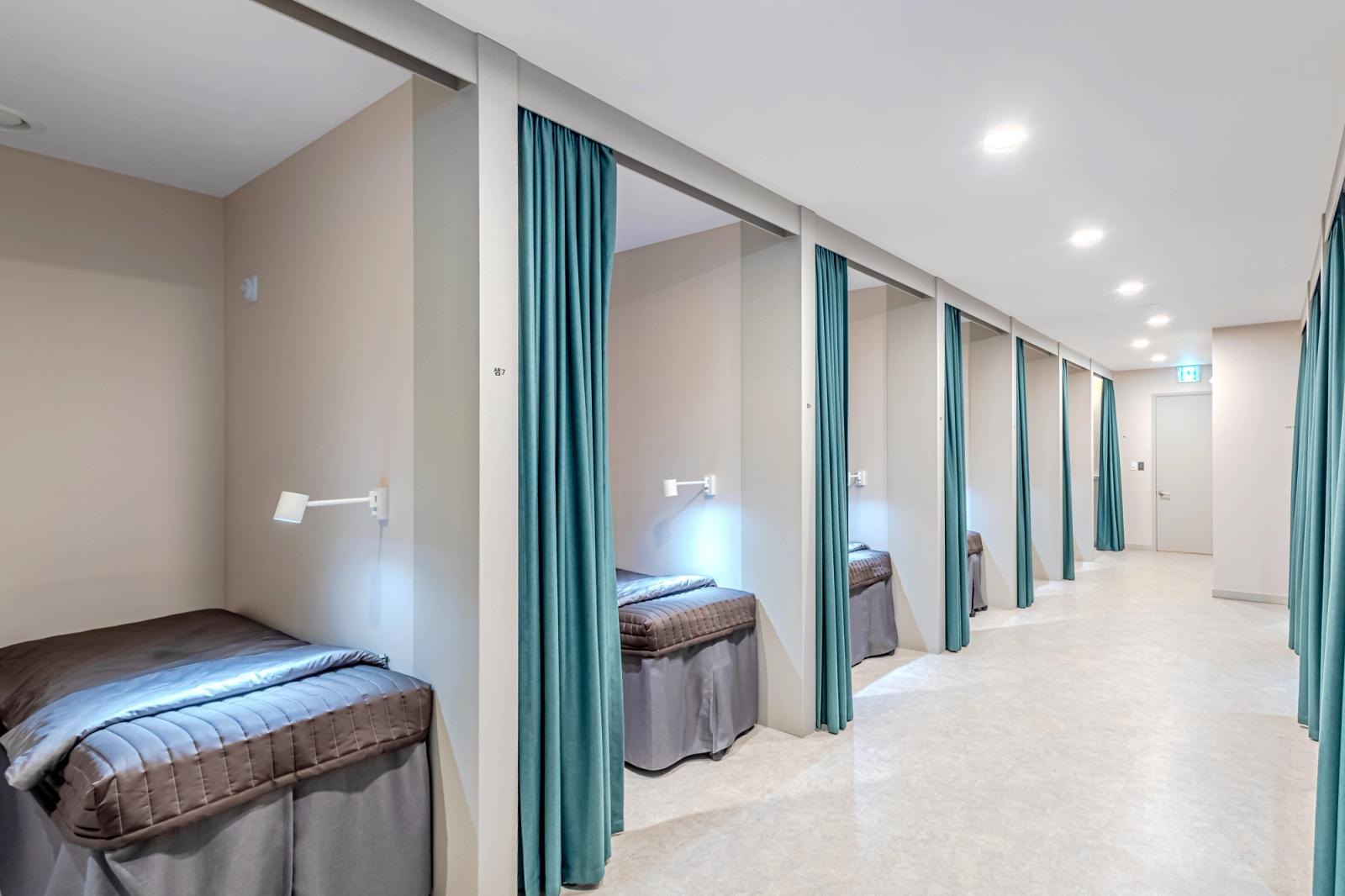
Gangnam’s dermatology clinics represent the epicenter of advanced skincare and aesthetic medicine in South Korea. Known for pioneering laser technologies, regenerative treatments, and precision-focused procedures, these clinics attract international patients seeking results-driven dermatological care. Gangnam district, particularly around Apgujeong and Cheongdam areas, hosts board-certified dermatologists who combine Korean innovation with evidence-based protocols validated by institutions like the Korean Association of Medical Specialists (KAMS).
For English-speaking patients from the US, UK, Australia, and Singapore, Gangnam derm clinics offer comprehensive services ranging from acne scar revision and pigmentation treatment to anti-aging procedures and regenerative therapies. Understanding clinic selection criteria, treatment options, and what differentiates Gangnam’s approach helps international patients make informed decisions about their dermatological care in Seoul.
Why Gangnam for Dermatology Treatments
Gangnam district concentrates over 500 dermatology and aesthetic medicine clinics within a 15-square-kilometer area, creating an ecosystem where competition drives innovation and quality. Korean dermatologists in this region frequently publish research in peer-reviewed journals, with studies on fractional laser resurfacing showing improved efficacy in Asian skin types compared to traditional ablative methods (Journal of Cosmetic and Laser Therapy, 2021).
The Ministry of Health and Welfare (MOHW) regulates all medical facilities, ensuring adherence to safety standards and equipment certification. Gangnam clinics typically feature FDA-approved and KFDA-certified devices including Pico lasers, fractional CO2 systems, and radiofrequency microneedling platforms. Board-certified dermatologists complete four years of residency training after medical school, with many pursuing additional fellowships in laser dermatology or cosmetic procedures.
International patient coordinators fluent in English facilitate communication, from initial consultation through post-treatment follow-up. Most Gangnam derm clinics near Apgujeong station operate extended hours (9 AM to 8 PM) to accommodate medical tourists’ schedules. provides additional context on Gangnam’s medical infrastructure for international patients.
Cost competitiveness remains significant—laser toning sessions range from $80-150 compared to $300-500 in Western markets, while maintaining equipment quality and physician expertise. The concentration of clinics creates pricing transparency, though patients should prioritize credentials and specialization over cost alone.
Core Dermatological Treatments Available
Gangnam derm clinics organize services into medical dermatology, laser treatments, regenerative procedures, and cosmetic interventions. Understanding each category helps patients identify appropriate clinics for their specific concerns.
Medical Dermatology Services
Board-certified dermatologists address acne, rosacea, eczema, psoriasis, and dermatitis using evidence-based protocols. Acne treatment combines isotretinoin prescriptions with adjunctive therapies like PDT (photodynamic therapy) and chemical peels. Prescription medications follow international protocols, with detailed English-language instructions provided. Read about trusted source.
Melasma and hyperpigmentation treatment utilizes triple-combination topical formulations alongside laser interventions. Korean dermatologists employ conservative approaches with pigment lasers, recognizing that aggressive treatment can trigger post-inflammatory hyperpigmentation in Asian and darker skin types—a consideration supported by dermatological literature (British Journal of Dermatology, 2020).
Laser and Energy-Based Devices
Gangnam clinics invest in latest-generation equipment updated every 2-3 years. Common laser platforms include:
- Pico lasers: For pigmentation, tattoo removal, and skin rejuvenation with minimal downtime
- Fractional CO2: Acne scar treatment and skin resurfacing with controlled thermal injury
- Vascular lasers: Redness reduction, broken capillaries, and rosacea management
- Q-switched Nd:YAG: Melasma, freckles, and dermal pigmentation
- IPL systems: Multi-purpose photorejuvenation and pigmentation correction
Treatment protocols typically involve multiple sessions spaced 2-4 weeks apart. Clinics provide realistic timelines—acne scar improvement generally requires 4-6 fractional laser sessions over 6 months rather than promising immediate results.
Regenerative and Injectable Treatments
Skin boosters containing hyaluronic acid, PDRN (polydeoxyribonucleotide), and exosomes represent popular categories. PDRN injections, derived from salmon DNA, stimulate tissue regeneration and are extensively studied in Korean dermatology research for wound healing and skin rejuvenation applications.
PRP (platelet-rich plasma) therapy combines with microneedling for scar treatment and overall skin quality improvement. Gangnam clinics use standardized PRP preparation protocols with double centrifugation systems. Botulinum toxin and dermal fillers follow conservative Korean aesthetic principles emphasizing natural results rather than dramatic volume addition. explores regenerative aesthetics in greater depth.
Selecting the Right Gangnam Derm Clinic
With hundreds of options, international patients should evaluate specific criteria when choosing a Gangnam dermatology clinic. Credentials verification takes priority—confirm the physician holds Korean board certification in dermatology through the Korean Dermatological Association database (available in English).
Specialization matters significantly. Some clinics focus exclusively on laser treatments, others on medical dermatology or acne management. Reviewing clinic websites and patient galleries helps identify expertise alignment with your specific concerns. Look for before/after photos of patients with similar skin types and conditions.
International patient infrastructure includes English consultation availability, transparent pricing in USD or local currency with clear breakdowns, and post-treatment communication channels. Reputable clinics provide detailed consent forms in English explaining procedure risks, expected outcomes, and recovery protocols.
Equipment transparency separates quality clinics from marketing-focused facilities. Ask specific questions about device models, manufacturing dates, and maintenance schedules. Legitimate clinics readily provide this information and explain why they selected particular technologies. Read about top best dermatologist in seoul.
Location considerations affect convenience—clinics within walking distance of Apgujeong, Gangnam, or Sinnonhyeon subway stations simplify access. The Cheongdam area concentrates high-end dermatology clinics but may charge premium pricing. offers navigation guidance for medical tourists.
Verify MOHW registration and ensure the facility maintains proper medical waste disposal, sterilization protocols, and emergency response capabilities. These fundamental safety measures should never be compromised regardless of pricing considerations.
Treatment Process and Patient Journey
The typical patient journey begins with online consultation or questionnaire submission. Many Gangnam derm clinics review photos and medical history remotely, providing preliminary treatment recommendations and cost estimates before arrival in Seoul.
Initial in-person consultation involves skin analysis using diagnostic equipment like VISIA systems that photograph subsurface pigmentation, vascular conditions, and texture irregularities. Dermatologists discuss realistic outcomes, alternative approaches, and contraindications. Consultations last 20-40 minutes with professional interpretation when needed.
Treatment sessions vary by procedure type. Simple laser toning requires 15-20 minutes, while comprehensive acne scar treatment with multiple modalities may extend to 90 minutes. Topical anesthesia applies 30 minutes before aggressive procedures. Post-treatment protocols include specific skincare products, sun protection mandates, and activity restrictions.
Follow-up scheduling depends on treatment intensity. Regenerative procedures like PRP or skin boosters typically repeat every 2-4 weeks for optimal results. International patients can often consolidate multiple sessions during a 1-2 week Seoul visit, with remaining sessions scheduled for future trips or coordinated with local dermatologists at home.
Gangnam clinics provide English aftercare instructions, emergency contact information, and progress monitoring through messaging apps or email. Some offer telemedicine follow-ups at 2-week and 1-month intervals to assess healing and results. details post-treatment care protocols for various procedures.
Documentation for international patients includes detailed treatment records, product lists with ingredients, and procedure summaries that home physicians can reference. This comprehensive approach ensures continuity of care across borders.
Cost Considerations and Value Assessment
Gangnam derm clinic pricing reflects equipment quality, physician experience, and location. Entry-level laser toning starts at $80-100 per session, while advanced fractional CO2 treatments range $300-600. Comprehensive acne scar packages (6 sessions) typically cost $1,500-3,000 depending on scar severity and technologies employed.
Price comparison requires understanding inclusions—some quotes cover only the procedure, while others bundle pre-treatment consultation, anesthesia, post-care products, and follow-up assessments. Request itemized estimates to enable accurate comparisons between clinics.
Payment methods include cash (often with 5-10% discounts), major credit cards, and international wire transfers. Medical tourism facilitators sometimes negotiate package rates, though direct booking often yields better pricing with more direct physician communication.
Value assessment extends beyond upfront costs. Consider physician credentials, equipment generation, safety protocols, and international patient support infrastructure. The cheapest option rarely delivers optimal outcomes in medical procedures requiring precision and expertise.
Travel logistics factor into total investment—Seoul offers abundant accommodation options near Gangnam at $60-200 nightly. Combining dermatology treatments with other medical procedures or cultural experiences maximizes travel value for international patients.
Frequently Asked Questions
How do I verify a Gangnam dermatologist’s credentials?
Check the Korean Dermatological Association website for board certification status. Reputable clinics display certificates prominently and provide registration numbers verifiable through MOHW databases. Request credentials during initial consultation if not readily visible.