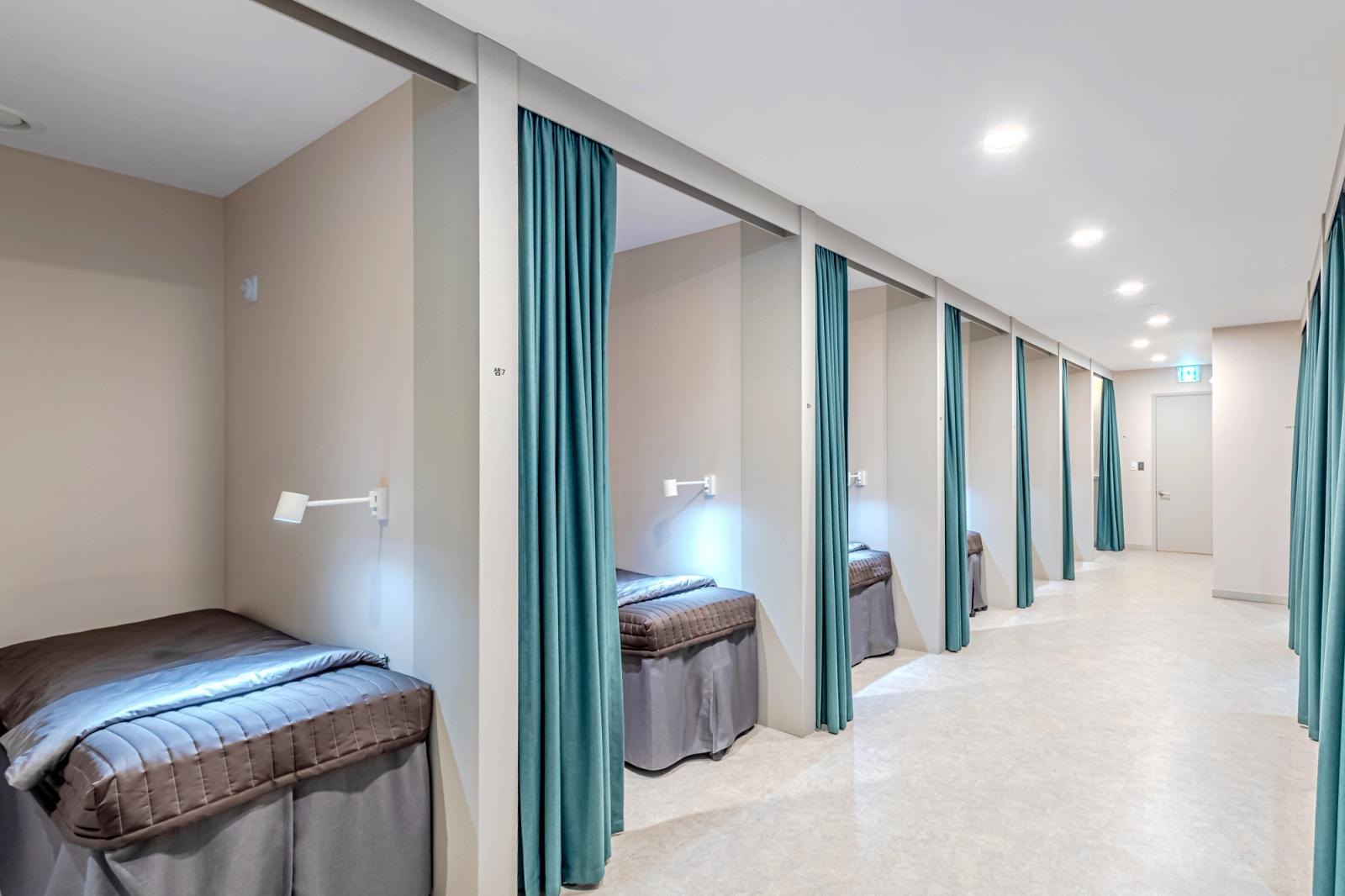
Sinsa Derm Clinic


Sinsa Derm Clinic stands as a prominent dermatology center in Seoul’s prestigious Gangnam district, serving international patients seeking advanced skin treatments in Korea’s medical tourism hub. Located in the Sinsa-Apgujeong area, known for its concentration of aesthetic medicine specialists, this clinic combines Korean dermatological expertise with internationally recognized protocols.

The clinic operates under the regulatory framework of Korea’s Ministry of Health and Welfare (MOHW), ensuring compliance with national medical standards while offering treatments ranging from acne management to advanced laser procedures. This comprehensive guide examines what international patients need to know before booking consultations at Sinsa Derm Clinic.

Clinical Expertise and Dermatological Specializations

Sinsa Derm Clinic focuses on medical and cosmetic dermatology, staffed by board-certified dermatologists registered with the Korean Association of Medical Specialists (KAMS). The clinic’s scope encompasses both clinical dermatology for skin conditions and aesthetic procedures that have made Korean medical tourism internationally recognized.

The medical team specializes in several core treatment areas. Acne and scarring treatments utilize combination therapies including chemical peels, subcision, and fractional laser resurfacing. Research published in the Journal of the American Academy of Dermatology demonstrates that fractional CO2 lasers achieve 50-80% improvement in atrophic acne scars when administered in multiple sessions. Pigmentation disorders, including melasma and post-inflammatory hyperpigmentation common among Asian and darker skin types, receive targeted treatment with Q-switched lasers, tranexamic acid protocols, and customized depigmentation regimens.

Anti-aging treatments represent a significant portion of the clinic’s practice. These include botulinum toxin injections, dermal fillers (hyaluronic acid-based), thread lifts, and skin rejuvenation lasers. The clinic employs multiple laser platforms for different skin concerns: ablative lasers for resurfacing, non-ablative devices for collagen remodeling, and vascular lasers for redness and broken capillaries.

Hair restoration services address androgenetic alopecia and other hair loss conditions through mesotherapy, PRP (platelet-rich plasma) injections, and medical management. Studies in Dermatologic Surgery confirm that PRP therapy can increase hair density by 15-30% in pattern hair loss when combined with conventional treatments like minoxidil.

The clinic also manages medical dermatology conditions including rosacea, eczema, psoriasis, and skin infections. This dual focus on medical and aesthetic dermatology distinguishes comprehensive clinics from procedure-only facilities common in medical tourism districts.

Treatment Technologies and Methodologies

Sinsa Derm Clinic’s treatment approach reflects Korean dermatology’s emphasis on combining multiple modalities rather than relying on single procedures. This “combination therapy” philosophy aligns with current dermatological evidence suggesting superior outcomes when treatments address multiple pathophysiological factors.

The laser infrastructure typically includes several device categories. Fractional lasers (both ablative and non-ablative) create controlled micro-injuries to stimulate collagen production while preserving surrounding tissue. The clinic may utilize devices like Fraxel, CO2RE, or Korean-manufactured equivalents approved by Korea’s Ministry of Food and Drug Safety. Q-switched lasers operating at different wavelengths (532nm, 694nm, 755nm, 1064nm) target specific chromophores for pigmentation and tattoo removal.

Vascular lasers address conditions like facial telangiectasia, cherry angiomas, and diffuse redness associated with rosacea. Intense pulsed light (IPL) systems provide versatile treatment for pigmentation, vascular lesions, and photorejuvenation in single platforms. Radiofrequency devices, either monopolar or fractional microneedling RF, tighten skin through controlled heating of dermal layers.

Injectable treatments follow Korean aesthetic principles emphasizing natural enhancement over dramatic transformation. Botulinum toxin applications extend beyond wrinkle reduction to include jawline slimming (masseter reduction), gummy smile correction, and hyperhidrosis treatment. Filler techniques focus on structural enhancement—midface volumization, chin projection, and nose contouring—rather than solely addressing individual wrinkles.

Chemical peels range from superficial (glycolic acid, salicylic acid) to medium-depth (TCA) formulations. The clinic may offer specialized Korean peels combining multiple acids or incorporating brightening agents like kojic acid and arbutin. These treatments address acne, pigmentation, and texture irregularities with minimal downtime compared to ablative laser resurfacing.

Thread lift procedures use PDO (polydioxanone) or PCL (polycaprolactone) threads inserted subdermally to provide mechanical lifting and stimulate collagen production. This minimally invasive alternative to surgical facelifts has gained popularity among international patients seeking improvement without general anesthesia or extensive recovery periods.

International Patient Services and Practical Considerations

Sinsa Derm Clinic’s location in the Apgujeong-Sinsa area provides strategic advantages for medical tourists. The district sits approximately 30-40 minutes from Incheon International Airport via express train and taxi. Sinsa Station (Line 3) and Apgujeong Rodeo Station (Bundang Line) offer convenient subway access, while the area’s concentration of luxury accommodations provides numerous lodging options within walking distance.

English-language support varies among individual practitioners, but clinics in this district typically employ bilingual coordinators or interpreters specifically for international patients. Consultation processes generally include translator-assisted medical history review, dermatological examination, digital skin analysis, and treatment planning with cost estimation.

Appointment scheduling for international patients should occur 2-4 weeks in advance during peak seasons (spring and fall), though some availability exists for walk-ins. Initial consultations typically last 30-45 minutes, while treatment sessions vary from 15 minutes for simple injectable procedures to 90 minutes for comprehensive laser treatments.

Pricing structures in Korean dermatology clinics generally operate below US, UK, and Australian equivalents while maintaining comparable quality standards. Botulinum toxin treatments cost approximately 40-60% less than Western markets, while laser procedures and filler treatments show similar savings. However, international patients should verify whether quoted prices include consultation fees, anesthesia (topical or local), and post-treatment products, as billing practices vary between facilities.

Payment methods accommodate international patients through cash (Korean won), major credit cards (Visa, Mastercard), and occasionally international wire transfers for extensive treatment packages. Some clinics partner with medical tourism agencies offering package deals combining treatments with accommodation and logistics support.

Recovery considerations depend entirely on treatment type. Injectable procedures typically involve minimal downtime with possible bruising for 3-7 days. Laser treatments range from no downtime (non-ablative) to 7-14 days of visible peeling and redness (ablative resurfacing). Thread lifts generally require 3-5 days of managing visible dimpling and swelling. International patients should schedule treatments allowing adequate recovery before return flights, particularly for visible procedures.

Safety Standards and Regulatory Compliance

Korea’s medical system operates under MOHW oversight with stringent credentialing requirements for dermatologists. Board certification requires medical school graduation, general residency completion, specialized dermatology residency (typically 4 years), and passing national specialty examinations administered by the Korean Dermatological Association.

Medical devices and injectables used in Korean clinics must receive approval from the Ministry of Food and Drug Safety (MFDS), Korea’s equivalent to the US FDA. This includes all laser systems, botulinum toxin products (both Korean-manufactured like Meditoxin and Nabota, and imported brands like Botox and Dysport), and dermal fillers. International patients should verify that products used carry proper MFDS approval rather than gray-market imports. Read about best korean dermatology clinic.

Infection control protocols in reputable Korean dermatology clinics follow international standards including single-use needles, sterilized equipment, and clean room procedures. The Korean Medical Association (KMA) enforces practice standards, though enforcement rigor varies. International patients should observe basic safety indicators: visible sterilization equipment, unopened product packaging shown before use, and proper disposal of sharps and contaminated materials.

Complications, while rare in properly performed procedures, can occur. Common issues include bruising, swelling, asymmetry in injectable treatments, hyperpigmentation following laser procedures (particularly in darker skin types), and allergic reactions. More serious complications like vascular occlusion from filler injections or scarring from aggressive laser settings remain possible but uncommon with experienced practitioners.

Medical liability and malpractice insurance exist in Korea, but international patients face practical challenges pursuing claims across jurisdictions. Travel medical insurance typically excludes elective cosmetic procedures. Some medical tourism facilitators offer complication insurance, though coverage limits and exclusions require careful review. Patients should document all treatments, retain receipts, and obtain detailed before-after photographs.

Follow-up care presents logistical challenges for international patients. While most treatments conclude within single sessions or planned series during one visit, complications may emerge after departure. Clinics should provide English-language aftercare instructions, emergency contact information, and protocols for managing concerns remotely. Telemedicine follow-up has expanded post-pandemic, allowing video consultations for non-emergency issues. . Read about top best dermatologist in seoul.

Comparing Sinsa Derm Clinic Within Seoul’s Dermatology Landscape

The Gangnam district, encompassing Sinsa, Apgujeong, and Cheongdam neighborhoods, contains Korea’s highest concentration of dermatology and plastic surgery clinics. This competitive environment creates both advantages and considerations for international patients.

Sinsa Derm Clinic operates among hundreds of similar facilities, ranging from single-practitioner offices to multi-specialty medical buildings housing 10+ dermatologists. This density allows price comparison and second opinions within compact geographic areas. However, it also creates marketing pressures leading some clinics toward aggressive sales tactics or overpromising results.

The clinic’s specific positioning within this landscape depends on factors international patients should investigate: practitioner credentials (years of experience, subspecialty training, academic affiliations), facility accreditation status, technology investment (age and variety of laser platforms), and reputation among domestic versus international clientele. Clinics heavily marketed to tourists sometimes charge premium prices while those serving primarily Korean patients may offer better value but less English support.

Reputation assessment proves challenging for international patients lacking access to Korean-language reviews and local medical networks. Platform reviews on Naver (Korea’s dominant search engine) provide authentic patient feedback but require translation. Medical tourism agencies maintain clinic networks, though financial relationships may bias recommendations. Online communities like RealSelf or medical tourism forums offer patient experiences, though individual results vary. Read about learn about seoul dermatology clinic.

Alternative clinics in the immediate area include larger dermatology chains with multiple locations, hospital-based dermatology departments offering comprehensive medical dermatology alongside aesthetics, and ultra-luxury boutique clinics targeting high-net-worth patients. Each model presents different value propositions regarding cost, expertise depth, service level, and treatment breadth.

The Apgujeong-Cheongdam area specifically caters to premium aesthetic medicine, with corresponding pricing that may exceed other Seoul districts like Myeongdong or Gangbuk. International patients prioritizing cost savings might explore clinics in less tourist-focused areas, though language support decreases outside Gangnam’s medical tourism infrastructure.

Treatment Outcomes and Realistic Expectations

Understanding realistic outcomes proves essential for international patients investing significant time and money in Korean dermatological treatments. Marketing materials often showcase exceptional results that may not represent typical outcomes or require multiple sessions and maintenance protocols.

Acne scar improvement through laser resurfacing or subcision typically requires 3-6 sessions spaced 4-8 weeks apart, with cumulative improvement of 30-70% depending on scar severity and type. Complete elimination rarely occurs, particularly with deep ice-pick or boxcar scars. Combination approaches (laser + subcision + fillers) yield superior results compared to single modalities.

Pigmentation treatments for melasma or sun damage show variable responses based on pigment depth and skin type. Epidermal pigmentation responds better than dermal pigmentation, with 50-80% clearance achievable over multiple sessions. However, melasma frequently recurs without strict photoprotection and maintenance treatments. Post-inflammatory hyperpigmentation risk increases in Fitzpatrick skin types IV-VI, requiring conservative laser settings and longer treatment intervals.

Anti-aging injectable results from botulinum toxin last 3-4 months initially, potentially extending to 4-6 months with repeated treatments as muscle memory develops. Hyaluronic acid fillers persist 6-18 months depending on product type, injection depth, and individual metabolism. Thread lifts provide immediate mechanical lifting with progressive improvement over 3-6 months as collagen forms around threads, but results typically last 12-18 months before requiring retreatment.

Skin rejuvenation from non-ablative lasers or IPL produces subtle improvements in texture, tone, and pore size accumulating over multiple sessions. Dramatic transformation from single treatments rarely occurs; realistic expectations involve 20-40% improvement in targeted parameters over 4-6 sessions. Ablative laser resurfacing delivers more significant results but requires substantial downtime and carries higher complication risks. Read about skincare clinic.

Hair restoration through PRP or mesotherapy shows modest results, with 15-30% density improvement over 6-12 months requiring maintenance treatments every 3-6 months. These modalities work best as adjuncts to medical management (finasteride, minoxidil) rather than standalone treatments. Significant regrowth in completely bald areas rarely occurs; treatments best preserve existing hair and modestly increase density in thinning zones.

Individual variability significantly impacts outcomes based on age, skin type, lifestyle factors (smoking, sun exposure), genetic healing responses, and adherence to post-treatment protocols. Two patients receiving identical treatments may experience markedly different results. Reputable practitioners acknowledge this variability during consultations rather than guaranteeing specific outcomes.

Maintenance requirements extend beyond initial treatment series for sustained results. Most aesthetic dermatology procedures require ongoing maintenance: repeat injections, periodic laser sessions, consistent medical-grade skincare, and strict photoprotection. International patients should factor maintenance costs and logistics into treatment decisions, as single visits without follow-up typically produce temporary improvements.

Frequently Asked Questions

Does Sinsa Derm Clinic have English-speaking staff?

Most dermatology clinics in the Apgujeong-Sinsa area serving international patients employ English-speaking coordinators or provide interpreter services. Confirming language support when booking appointments ensures smooth consultation and treatment processes.

How much do treatments cost compared to Western countries?

Korean dermatology procedures typically cost 40-60% less than equivalent treatments in the US, UK, or Australia. Botulinum toxin, fillers, and laser treatments offer the most significant savings, though pricing varies between clinics and should be confirmed during consultations.

Can I complete treatments in one visit to Seoul?

Single-session treatments like botulinum toxin, fillers, and some laser procedures work well for short visits. Conditions requiring multiple sessions (acne scars, pigmentation, hair loss) may necessitate extended stays or planned return visits for optimal results.

Are Korean dermatology clinics safe for international patients?

Clinics operating under MOHW regulations with board-certified dermatologists maintain safety standards comparable to Western medical systems. Patients should verify practitioner credentials, device approvals, and observe basic safety protocols during treatment.

What should I do if complications occur after returning home?

Obtain emergency contact information and detailed aftercare instructions before leaving Korea. Many clinics offer telemedicine follow-up for post-treatment concerns, though serious complications may require local medical attention in your home country.

How do I choose between multiple dermatology clinics in Gangnam?

Research practitioner credentials, verify KAMS board certification, compare technology platforms, read patient reviews on multiple sources, and schedule consultations at 2-3 clinics before committing to treatment. Price should factor into decisions but not serve as the sole criterion.

Do results from Korean dermatology treatments differ from Western clinics?

Treatment protocols and technologies are largely standardized internationally, though Korean dermatology emphasizes combination therapies and preventive approaches. Results depend more on individual practitioner skill and patient factors than geographic location of treatment.

Is medical tourism insurance necessary for dermatology procedures?

Standard travel insurance excludes elective cosmetic procedures. Specialized medical tourism insurance covering complications exists but requires careful review of coverage limits, exclusions, and claim processes before purchase.

Leave a Comment