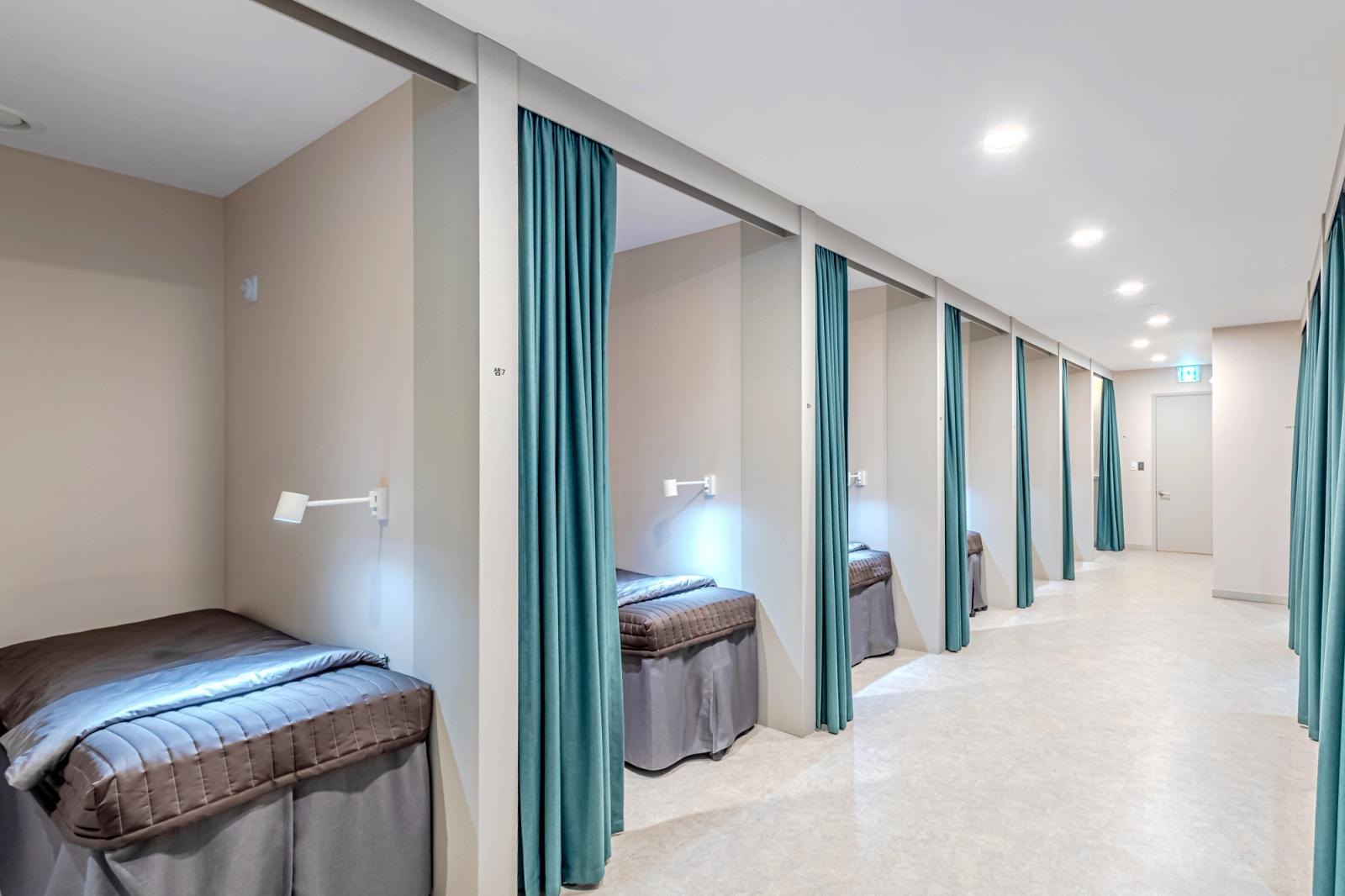
Gangnam’s dermatology clinics attract thousands of international patients annually for advanced skin treatments, backed by Korea’s stringent medical standards and competitive pricing. This guide identifies top-performing clinics in Seoul’s premier medical district, focusing on credentials, technology, and proven outcomes for foreign patients seeking laser treatments, acne solutions, and anti-aging procedures.
Selecting a dermatology clinic in Gangnam requires verifying board certifications through the Korean Association of Medical Specialists (KAMS), understanding pricing transparency, and confirming English-speaking staff availability. The following analysis covers essential criteria for international patients making informed decisions about skin care investments in Korea’s most competitive medical tourism market. Read about trusted source.
Clinical Excellence Standards in Gangnam Dermatology
Top-tier Gangnam dermatology clinics maintain board-certified dermatologists registered with the Ministry of Health and Welfare (MOHW), ensuring practitioners meet Korea’s rigorous training requirements. Board certification requires completing a four-year dermatology residency at accredited Korean hospitals plus passing comprehensive national examinations administered by KAMS. Read about comprehensive best dermatologist seoul.
Leading facilities invest in FDA-approved and KFDA-certified equipment including picosecond lasers, fractional CO2 systems, and medical-grade radiofrequency devices. Research published in the Journal of Cosmetic and Laser Therapy demonstrates that picosecond lasers achieve 75% greater tattoo and pigmentation clearance compared to traditional Q-switched systems, making technology selection critical for optimal outcomes.
Reputable clinics display practitioner credentials prominently and provide verifiable MOHW license numbers upon request. International patients should confirm their dermatologist’s specialization aligns with their treatment needs—whether medical dermatology for acne and rosacea or cosmetic procedures for pigmentation and aging concerns.
Infection control protocols meeting Korean hospital standards include single-use disposable items, autoclave sterilization cycles documented daily, and separate procedure rooms for invasive treatments. These safeguards reduce complication risks significantly compared to facilities with shared treatment spaces.
Signature Treatments and Technology Infrastructure
Premium Gangnam dermatology clinics excel in laser treatments addressing hyperpigmentation, melasma, and post-inflammatory marks common in Asian skin types. Dual-wavelength platforms combining 1064nm and 532nm effectively target both superficial and dermal pigmentation, with clinical studies in Dermatologic Surgery showing 60-80% improvement after 4-6 sessions for melasma patients.
Acne treatment protocols integrate isotretinoin management, prescription-strength topicals, chemical peels using salicylic and glycolic acids, and photodynamic therapy (PDT). Advanced clinics offer Accutane monitoring with monthly liver function tests and lipid panels, essential for patient safety during systemic treatment courses.
Anti-aging services span multiple modalities: microneedling radiofrequency (MNRF) for collagen induction, high-intensity focused ultrasound (HIFU) for non-surgical lifting, and injectable treatments using hyaluronic acid fillers and botulinum toxin. The most experienced practitioners perform 200+ injection procedures monthly, developing expertise that minimizes bruising and asymmetry risks.
Scar revision capabilities include fractional laser resurfacing, subcision for atrophic acne scars, and TCA CROSS technique for ice-pick scarring. Treatment plans typically span 6-12 months with combination approaches yielding superior results compared to single-modality interventions .
International Patient Services and Practical Considerations
Leading Gangnam clinics provide comprehensive English-speaking support from initial consultation through post-treatment follow-up. Dedicated international coordinators handle appointment scheduling, treatment explanations, and coordinate with nearby accommodations in Apgujeong and Cheongdam areas where most medical tourists stay.
Transparent pricing structures list individual treatment costs in USD, distinguishing package deals from single-session rates. Quality clinics itemize consultation fees (typically $50-100), procedure costs, and required aftercare products separately. Request written estimates before committing, especially for multi-session treatment plans requiring extended stays.
Consultation processes at reputable facilities include digital skin analysis using VISIA complexion cameras, documenting baseline pigmentation, pore size, UV damage, and bacterial colonization. These objective measurements enable progress tracking across treatment sessions and justify recommended protocols with visual evidence.
Post-treatment protocols specify recovery timelines, activity restrictions, and mandatory sun protection regimens. Clinics should provide 24-hour emergency contact numbers for international patients experiencing unexpected reactions after returning to hotels. Aftercare product recommendations must include internationally available alternatives, not exclusively Korean-market brands unavailable abroad.
Treatment timing considerations matter for visitors: ablative laser procedures require 7-14 days downtime, while non-ablative options allow immediate return to normal activities. Plan intensive treatments early in Seoul stays, reserving final days for lighter maintenance sessions and shopping .
Verification and Red Flag Identification
Authenticate clinic credentials through the MOHW’s English-language medical institution search portal, confirming registered business status and practitioner licenses. Legitimate dermatologists display KAMS membership certificates and specialty board certifications in Korean and English within clinic premises.
Warning signs include clinics refusing to provide doctor credentials, advertising guaranteed results for complex conditions like melasma, or pressuring immediate payment for expensive package deals. Reputable practitioners discuss realistic expectations, potential complications, and alternative treatment options during consultations. Read about find out.
Review analysis requires discernment: authentic patient testimonials describe specific treatments, recovery experiences, and realistic timelines. Generic praise without procedural details or exclusively five-star reviews may indicate manipulation. Cross-reference feedback across multiple platforms including RealSelf, medical tourism forums, and Google Reviews.
Before-after photography standards at credible clinics maintain consistent lighting, angles, and camera settings between comparison images. Photographic documentation should occur in dedicated photography rooms with standardized backgrounds, not casual smartphone snapshots with variable conditions that exaggerate results.
Price comparisons should account for treatment depth and equipment quality. Suspiciously low pricing often indicates outdated technology, abbreviated treatment protocols, or uncertified practitioners. Mid-range pricing typically reflects appropriate equipment investment, experienced staff, and comprehensive patient care .
Maximizing Treatment Outcomes and Long-Term Results
Pre-treatment preparation significantly impacts results, particularly for laser procedures and chemical peels. Discontinue retinoids, exfoliating acids, and blood-thinning supplements 5-7 days before appointments. Sun exposure within two weeks prior increases post-inflammatory hyperpigmentation risks, especially for Fitzpatrick skin types III-VI.
Combination therapy approaches typically outperform single treatments for complex concerns. Acne scar revision benefits from sequential treatments: subcision to release tethered scars, followed by fractional laser resurfacing 4-6 weeks later, then maintenance with microneedling. Staggered protocols allow progressive improvement while managing downtime effectively.
Post-treatment compliance determines outcome longevity. Daily broad-spectrum SPF 50+ sunscreen prevents pigmentation recurrence after laser treatments, while consistent tretinoin use maintains collagen synthesis stimulated by energy-based devices. Clinics should provide written aftercare instructions in English with product-specific recommendations.
Follow-up scheduling considerations for international patients include planning 2-3 week return visits for progressive treatments or arranging remote consultations via photos for maintenance assessment. Some conditions like melasma require quarterly maintenance sessions—discuss realistic long-term management before starting treatment series.
Treatment documentation proves valuable for continuing care with home-country dermatologists. Request detailed treatment records including device settings, product lot numbers, and injection volumes. Comprehensive documentation enables seamless care transitions and prevents contraindicated procedures when returning to regular providers .
Frequently Asked Questions
How much do dermatology treatments cost in Gangnam compared to Western countries?
Laser treatments typically cost 40-60% less than US/UK prices, with single sessions ranging $150-500 depending on complexity. Package deals for 3-5 sessions offer additional 10-20% discounts, though quality clinics maintain competitive pricing without aggressive discounting that may compromise care standards.
Do I need multiple visits or can treatments be completed in one trip?
Non-ablative laser treatments, botulinum toxin, and filler injections complete in single sessions. Ablative lasers, acne scar protocols, and pigmentation treatments typically require 3-6 sessions spaced 4-8 weeks apart, necessitating extended stays or multiple Seoul visits for optimal outcomes.
Are Korean dermatology techniques different from Western approaches?
Korean dermatology emphasizes preventive care and earlier intervention compared to Western reactive approaches. Treatment protocols often combine multiple modalities simultaneously and prioritize minimal downtime options suitable for active lifestyles, reflecting cultural preferences for subtle, natural-looking enhancements.
How do I verify a dermatologist’s credentials before booking?
Request KAMS membership numbers and MOHW medical license numbers, then verify through official government databases. Board-certified dermatologists completed accredited residencies and passed national specialty examinations—credentials displayed prominently in legitimate clinics.
What’s the best season to visit Gangnam for dermatology treatments?
Fall and winter (October-March) minimize sun exposure risks critical for laser and chemical peel recovery. Spring offers moderate weather for comfortable healing, while summer’s intense UV radiation increases post-treatment pigmentation risks requiring aggressive sun protection and potentially compromising results.