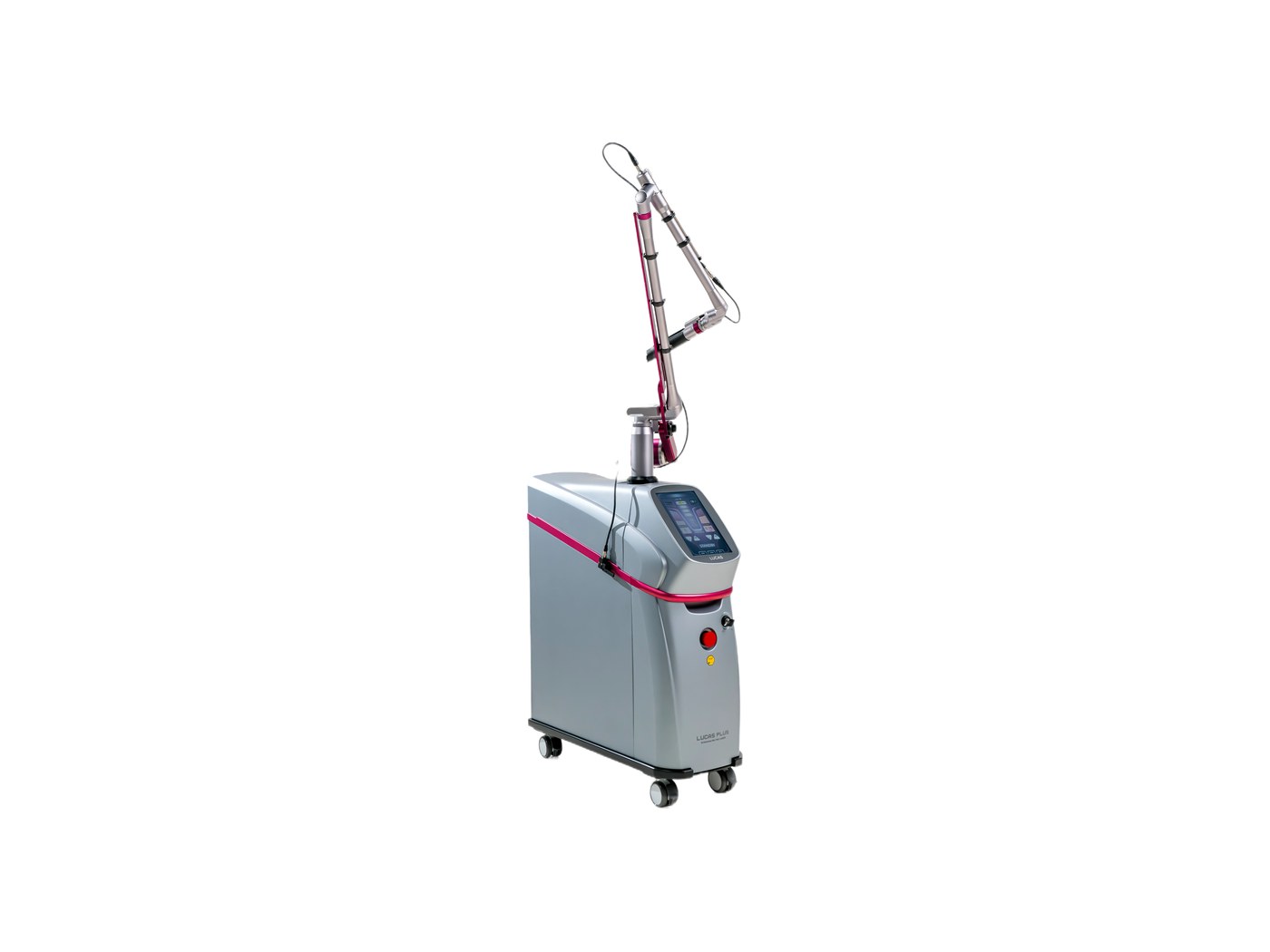
Gangnam’s laser dermatology clinics have become global destinations for advanced skin treatments, combining cutting-edge technology with specialized expertise. International patients choose Gangnam for its concentration of board-certified dermatologists, competitive pricing, and access to FDA-approved lasers often unavailable in their home countries. This guide provides essential information for medical tourists considering laser dermatology procedures in Seoul’s premier district.
Why Gangnam Leads in Laser Dermatology
The Gangnam and Apgujeong districts house over 500 dermatology clinics, creating an ecosystem of competition that drives innovation and quality. Korean dermatologists complete rigorous training under the Ministry of Health and Welfare (MOHW) standards, with many holding additional certifications from the Korean Association of Dermatology and Aesthetic Surgery (KAMS).
Gangnam clinics invest heavily in laser technology, frequently updating equipment every 2-3 years compared to the 5-7 year cycle common internationally. You’ll find Picosure, PicoWay, Fraxel, CO2 lasers, and Nd:YAG systems alongside Korean innovations like LASEMD and ULTRA. This technology access, combined with high patient volumes, gives Korean dermatologists extensive hands-on experience with diverse skin types and conditions.
Price competitiveness remains significant. Laser toning sessions cost $80-150 in Gangnam versus $300-500 in major US cities. Full-face CO2 laser resurfacing ranges $800-1,500 compared to $2,500-4,000 abroad. Quality remains comparable or superior due to specialized focus and procedural volume.
Research published in Lasers in Surgery and Medicine demonstrates that fractional CO2 lasers achieve significant collagen remodeling with minimal downtime when administered by experienced practitioners, supporting Korea’s refined protocols. Similarly, Journal of the American Academy of Dermatology confirms picosecond lasers’ effectiveness for pigmentation removal with reduced thermal damage compared to traditional nanosecond systems.
Common Laser Treatments for International Patients
Pigmentation and Melasma Treatment
Korean dermatologists excel at treating stubborn pigmentation, particularly melasma and post-inflammatory hyperpigmentation common in Asian and darker skin types. Treatment protocols typically combine multiple laser modalities: Q-switched Nd:YAG for deep pigment, picosecond lasers for surface spots, and low-fluence laser toning for overall brightening.
Most clinics recommend 4-6 sessions spaced 2-4 weeks apart. Gangnam protocols emphasize gradual improvement to minimize rebound hyperpigmentation, a common complication when aggressive settings are used. Dermatologists adjust parameters based on Fitzpatrick skin type and use pre-treatment with hydroquinone or tranexamic acid to optimize results.
Acne Scar Revision
Fractional CO2 and erbium lasers remain gold standards for atrophic acne scarring. Gangnam clinics often employ combination approaches: fractional lasers for textural improvement, subcision for tethered scars, and dermal fillers for severe ice-pick scars. Treatment plans span 3-6 months with sessions every 4-6 weeks.
Downtime varies by intensity. Mild fractional treatments require 3-5 days of redness, while aggressive CO2 resurfacing needs 7-10 days. Korean protocols prioritize faster healing through post-laser LED therapy, growth factor serums, and specialized wound care .
Skin Rejuvenation and Anti-Aging
Laser toning (low-fluence Q-switched Nd:YAG) has become synonymous with Korean skincare, offering no-downtime treatments for pore refinement, tone evening, and subtle glow enhancement. Popular among local patients as monthly maintenance, international visitors often combine multiple sessions during their stay.
For more aggressive anti-aging, clinics offer Fraxel, Thermage, or Ultherapy. These stimulate collagen production for tightening and wrinkle reduction. Treatment selection depends on specific concerns: Fraxel for texture and fine lines, Ultherapy for lifting, Thermage for overall tightening.
Vascular Lesions and Redness
Excel V and pulsed dye lasers effectively treat rosacea, broken capillaries, and red acne marks. Korean dermatologists use conservative settings to avoid purpura in professional patients who cannot afford visible bruising. Multiple gentler sessions produce comparable results to aggressive single treatments with better safety profiles. Read about see here.
What to Expect: Consultation to Aftercare
Initial consultations at reputable Gangnam clinics include skin analysis using VISIA imaging or similar diagnostic tools. These systems reveal underlying pigmentation, vascular patterns, and damage invisible to the naked eye, allowing precise treatment planning. Consultations typically last 20-30 minutes and cost $30-50, often waived with treatment booking.
Board-certified dermatologists will review your medical history, current medications, and previous treatments. Be transparent about retinoid use, recent sun exposure, and any history of keloid formation or herpes simplex, as these affect treatment safety and protocols.
Treatment sessions range from 15 minutes for laser toning to 90 minutes for full-face fractional resurfacing. Most clinics apply topical anesthetic 30 minutes before ablative procedures. You’ll receive detailed aftercare instructions in English, typically including gentle cleansers, healing ointments, and strict sun protection guidelines.
Post-treatment follow-up varies by procedure intensity. Minor treatments need no follow-up, while aggressive resurfacing may include 1-2 check-ins during healing. Many clinics offer telemedicine follow-up for international patients who’ve returned home .
Schedule treatments early in your trip if possible, allowing recovery time before departure. Plan at least one buffer day after ablative procedures before flying, as cabin pressure and dry air can exacerbate post-laser sensitivity.
Choosing a Qualified Clinic in Gangnam
Verify that your dermatologist holds MOHW board certification in dermatology. This requires medical school, dermatology residency, and national board examinations. Some practitioners operate with only basic medical licenses—confirm specific dermatology credentials. Read about seoul skin clinic.
Look for clinics with English-speaking staff or dedicated international patient coordinators. Language barriers in medical settings create safety risks. Reputable clinics provide treatment consent forms, aftercare instructions, and medical records in English.
Check online reviews across multiple platforms, but recognize that Korean medical advertising laws restrict before-after photos and patient testimonials. Clinic websites may appear less marketing-heavy than Western counterparts due to these regulations. Focus on credentials, technology lists, and procedural explanations rather than promotional content.
Ask about the specific laser models used. Clinics with genuine investment in quality equipment will specify brands and models. Generic references to “laser treatment” without equipment details may indicate older or less effective technology.
Pricing transparency indicates professionalism. Request itemized quotes including consultation fees, procedure costs, aftercare products, and any follow-up sessions. Reputable clinics provide clear pricing upfront rather than upselling during appointments .
Consider clinic location within Gangnam. Areas near Apgujeong Rodeo, Cheongdam, and Gangnam Station offer the highest concentration of premium clinics with international patient experience. These neighborhoods provide convenient access to accommodation, pharmacies, and post-treatment supplies.
Practical Considerations for Medical Tourists
Korea’s visa policy allows visa-free entry for 30-90 days for most Western nationalities, sufficient for laser treatment series. Medical tourism doesn’t require special visas unless your stay exceeds standard tourist allowances.
Schedule appointments before arrival. Popular clinics book 2-4 weeks ahead, especially during peak seasons (October-November, March-April) when weather suits post-laser recovery and Korean holidays attract diaspora visitors.
Budget beyond procedure costs. Accommodation near clinics costs $60-150 nightly. Factor in aftercare products ($50-100), sun protection (essential year-round), and gentle skincare for post-laser healing. Most clinics sell recommended products, often Korean pharmaceutical brands unavailable internationally.
Travel insurance rarely covers elective cosmetic procedures, but confirm your policy details. Some insurers cover complications from cosmetic treatments even if they don’t cover the procedures themselves. Consider specialized medical tourism insurance for significant procedures .
Gangnam’s public transportation connects easily to Incheon Airport via express train (60 minutes) or airport bus (70-90 minutes). Most clinics sit within 10 minutes of subway stations on Lines 2, 3, 7, or Bundang Line. Download Naver Map or Kakao Map apps for navigation, as Google Maps has limited functionality in Korea.
Pharmacies surrounding clinics stock post-laser essentials: Cicaplast Baume, Aquaphor, gentle cleansers, and mineral sunscreens. Staff at major pharmacy chains increasingly speak basic English, and translation apps bridge remaining gaps.
Frequently Asked Questions
How many laser sessions will I need for pigmentation?
Most pigmentation issues require 4-6 sessions spaced 2-4 weeks apart for optimal results. Melasma may need ongoing maintenance every 2-3 months. Your dermatologist will assess your specific condition during consultation and provide a personalized treatment plan. Read about skin clinic seoul.
Can I combine laser treatments with other procedures during my trip?
Yes, many patients combine laser treatments with injectables, skin boosters, or other non-invasive procedures. Your dermatologist will sequence treatments appropriately, typically scheduling injectables before laser procedures or spacing them several days apart to avoid complications.
What’s the minimum stay duration for laser treatments in Gangnam?
For single sessions of non-ablative treatments like laser toning, 3-4 days suffices. Ablative